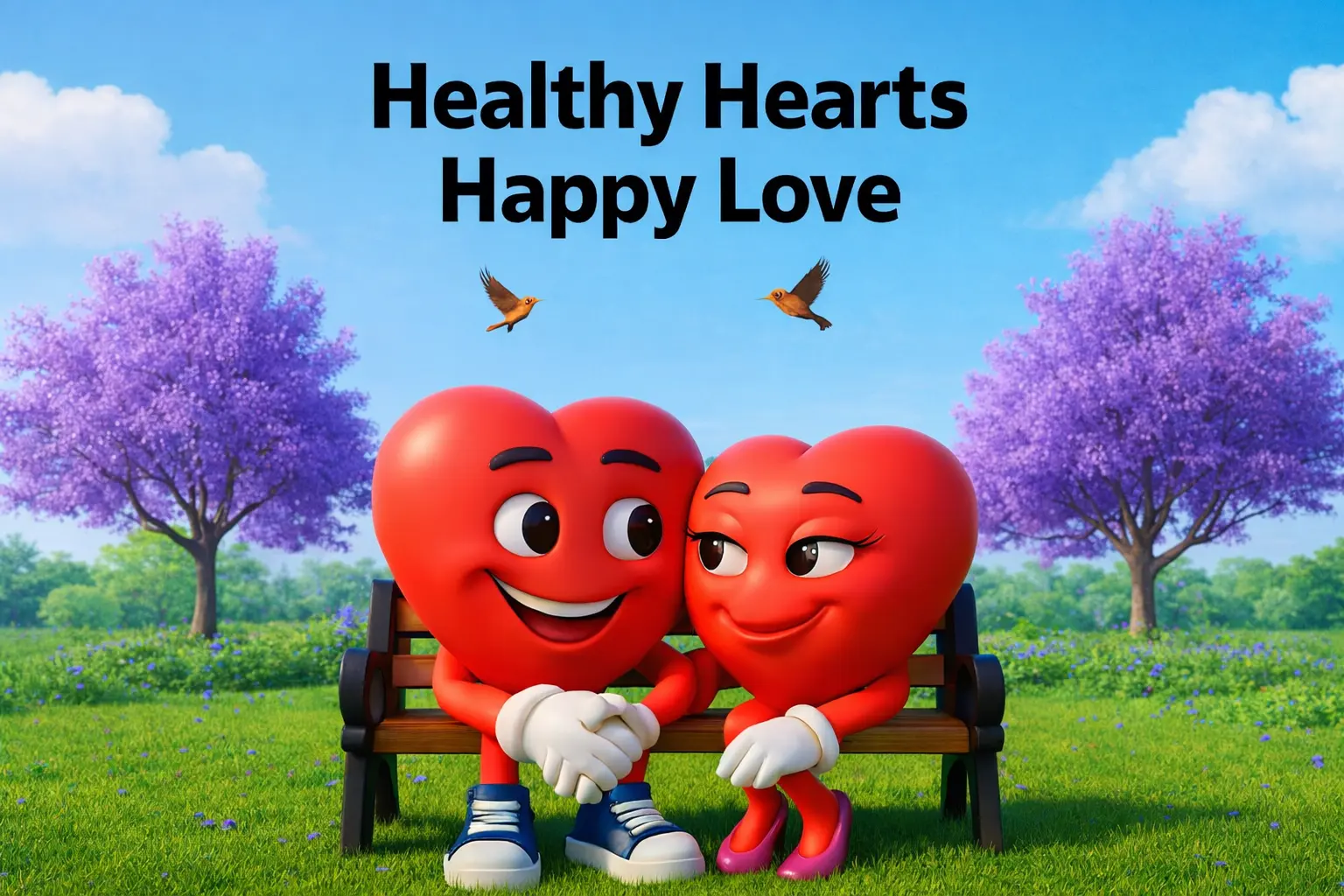
This February, as we exchange roses and words of love, let us also pause and ask: how healthy is the heart that loves so deeply?
February is known around the world as the month of heart health awareness. It is also the month of Valentine’s Day, when love is celebrated loudly and proudly on 14th February. Coincidence? Not really. The heart is not just an organ that pumps blood. It is also a symbol of love, emotion, connection, and life itself.
In Kenya today, heart health is becoming a serious conversation for both men and women. Cardiovascular diseases are no longer illnesses of old age alone. Younger adults, working professionals, and even active youth are increasingly affected. Life is faster, stress is higher, diets are changing, and physical activity is reducing. Hii ni ukweli (this is the truth) we cannot ignore.
The Current Heart Health Situation in Kenya
Heart diseases are among the leading causes of illness and death in Kenya. Conditions like high blood pressure, heart attacks, stroke, and heart failure are rising. Many people live with silent risk factors like hypertension, high cholesterol, diabetes, obesity, smoking habits, alcohol use, and unmanaged stress.
Men often delay checkups, wakisema “niko sawa” (saying “I am fine”). Women sometimes ignore symptoms while caring for everyone else first. The result is late diagnosis. The heart whispers before it screams. We need to listen earlier.
Love, Stress, and the Modern Heart
Love nourishes the heart. Chronic stress breaks it down. Long working hours, financial pressure, lack of sleep, emotional stress, addictions like smoking, excessive alcohol, and even substance abuse slowly weaken the cardiovascular system.
Stress hormones increase blood pressure and inflammation. Smoking damages blood vessels. Excess alcohol weakens heart muscles. Poor sleep disrupts heart rhythm. All these factors steal years from the heart’s life.
Choosing love, for yourself and others, is also choosing heart health.
Precautionary Tests for Heart Health
Even if you feel fine, these tests can help predict future cardiac risk:
- Blood pressure check
- Lipid profile: total cholesterol, LDL, HDL, triglycerides
- Blood sugar tests: fasting glucose or HbA1c
- Body Mass Index and waist circumference
- Electrocardiogram (ECG)
- Echocardiogram if advised
- High sensitivity CRP test for inflammation
- Stress test for those with risk factors
Early testing saves lives. Mapema ndio best (early is best).
Dietary Supplements for Heart Health
Before Any Cardiac Issue: For Prevention and Maintenance
These supplements support a healthy heart when combined with good diet and lifestyle:
1. Omega-3 Fatty Acids (Fish Oil)
Dosage: 1000 to 2000 mg daily
Benefits: Reduces inflammation, supports cholesterol balance
Precaution: Avoid high doses if on blood thinners
2. Coenzyme Q10 (CoQ10)
Dosage: 100 to 200 mg daily
Benefits: Supports heart muscle energy and blood pressure
Precaution: Take with food
3. Magnesium
Dosage: 200 to 400 mg daily
Benefits: Supports heart rhythm and relaxation
Precaution: Avoid excessive dose if kidney disease
4. Garlic Extract
Dosage: 600 to 1200 mg daily
Benefits: Supports blood pressure and cholesterol
Precaution: May increase bleeding risk
5. Vitamin D
Dosage: 1000 to 2000 IU daily
Benefits: Linked to heart and immune health
Precaution: Test levels before high dosing
Supplements Often Recommended After a Cardiac Issue
Only Under Medical Supervision
Post-cardiac care is delicate. Supplements must be guided by a doctor:
- Omega-3 fatty acids (often higher therapeutic doses)
- CoQ10, especially for patients on statins
- Magnesium for rhythm support
- Antioxidants like Vitamin C and E in controlled doses
Never self-medicate after a heart event. Follow cardiologist advice strictly.
Lifestyle Precautions That Truly Protect the Heart
- Eat more fruits, vegetables, whole grains, and traditional foods
- Reduce salt, sugar, and processed foods
- Exercise at least 30 minutes most days
- Quit smoking. Punguza pombe (reduce alcohol)
- Manage stress through prayer, meditation, nature walks, or community support
- Sleep 7 to 8 hours daily
- Love deeply and forgive freely
A peaceful heart beats stronger.
Love Is Also Medicine
This Valentine’s Day, remember that love is not only about romance. It is about self-care, kindness, connection, and compassion. A healthy heart allows you to love longer, laugh louder, and live fully. When your heart is strong, love flows easily to family, friends, and jamii (community).
A Small Valentine Poem for the Heart
My heart beats softly when you smile,
Each rhythm learning love’s own style.
To care, to heal, to choose what’s right,
A healthy heart keeps love in light.
Important Note
This blog is not medical advice. It is strongly recommended to consult a qualified doctor or health specialist before starting any supplements or making major health decisions.
This February, choose love. Choose life. Choose heart health.
Kwa sababu moyo wenye afya (because a healthy heart) hueneza upendo zaidi (spreads more love).

About the Author
Nitin Bangale is a healthcare authority specializing in global public health, medical manufacturing, and marketing. He has led large-scale initiatives with governments and NGOs, delivering over 1,500 expert sessions on diverse health topics. A seasoned consultant and media contributor, he provides ethical, evidence-based insights through his health writing. He is also an acclaimed cartoonist, photographer, poet, and stage artist.